Kyoto has always been one of the cities I was most excited to visit in Japan – but also one that I felt a bit unsure about. Everything that I read about Kyoto was mentioning the masses of tourists in high season (which was when I was travelling there), but the photos looked too beautiful to skip it. In the end, that’s also my summary about Kyoto: yes, it is crazy touristy and nope, there really isn’t a way to avoid the crowds unless you wake up suuuuper early. But is it worth it? Yes!
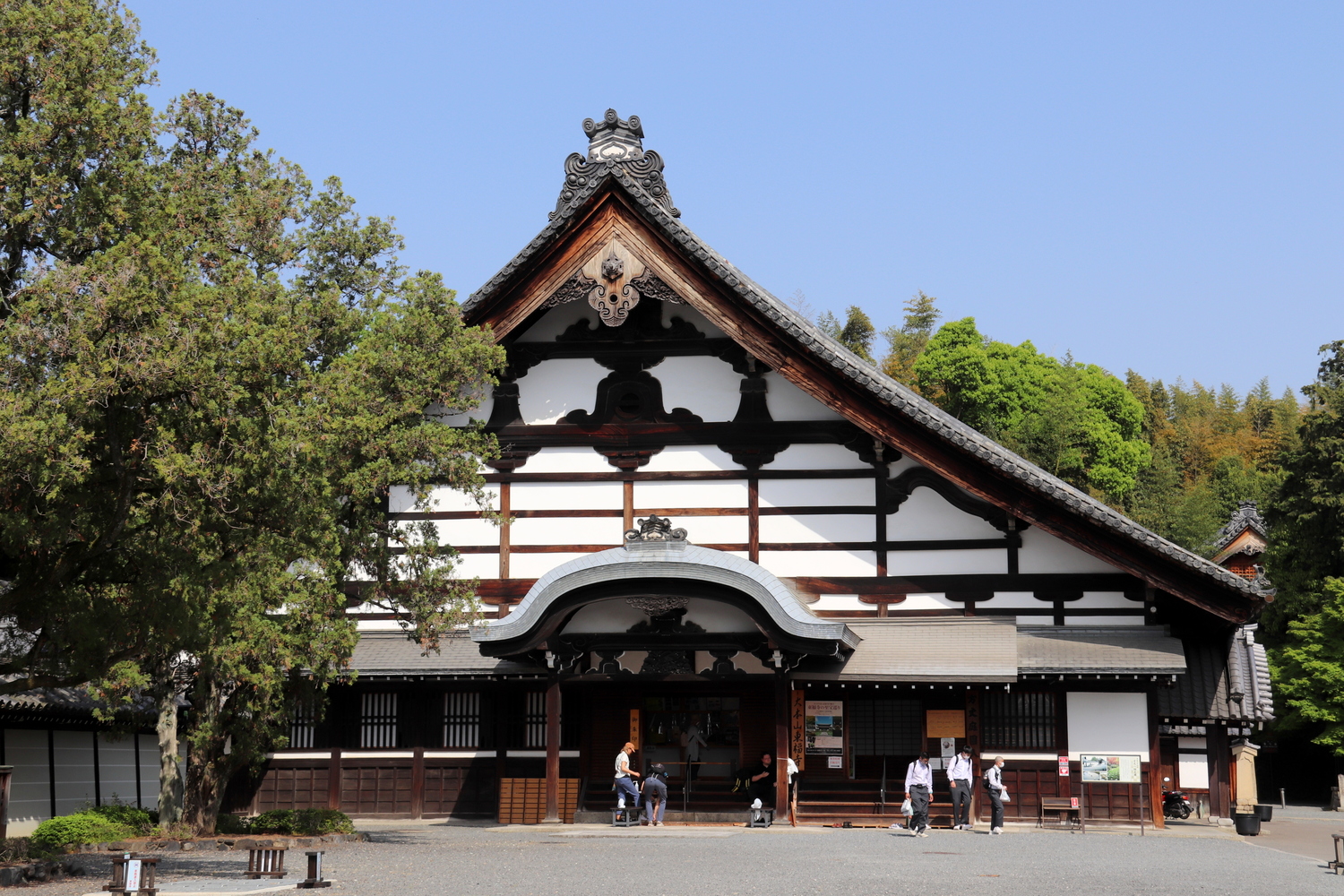
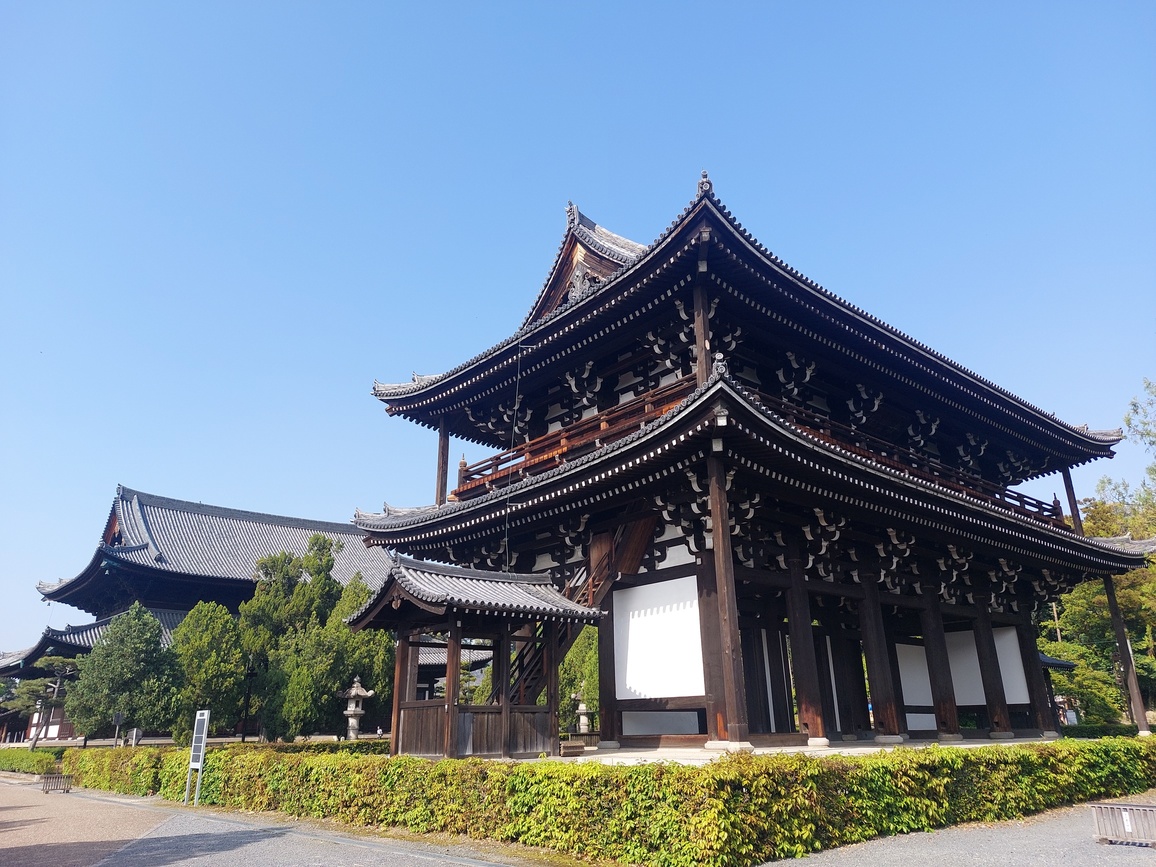
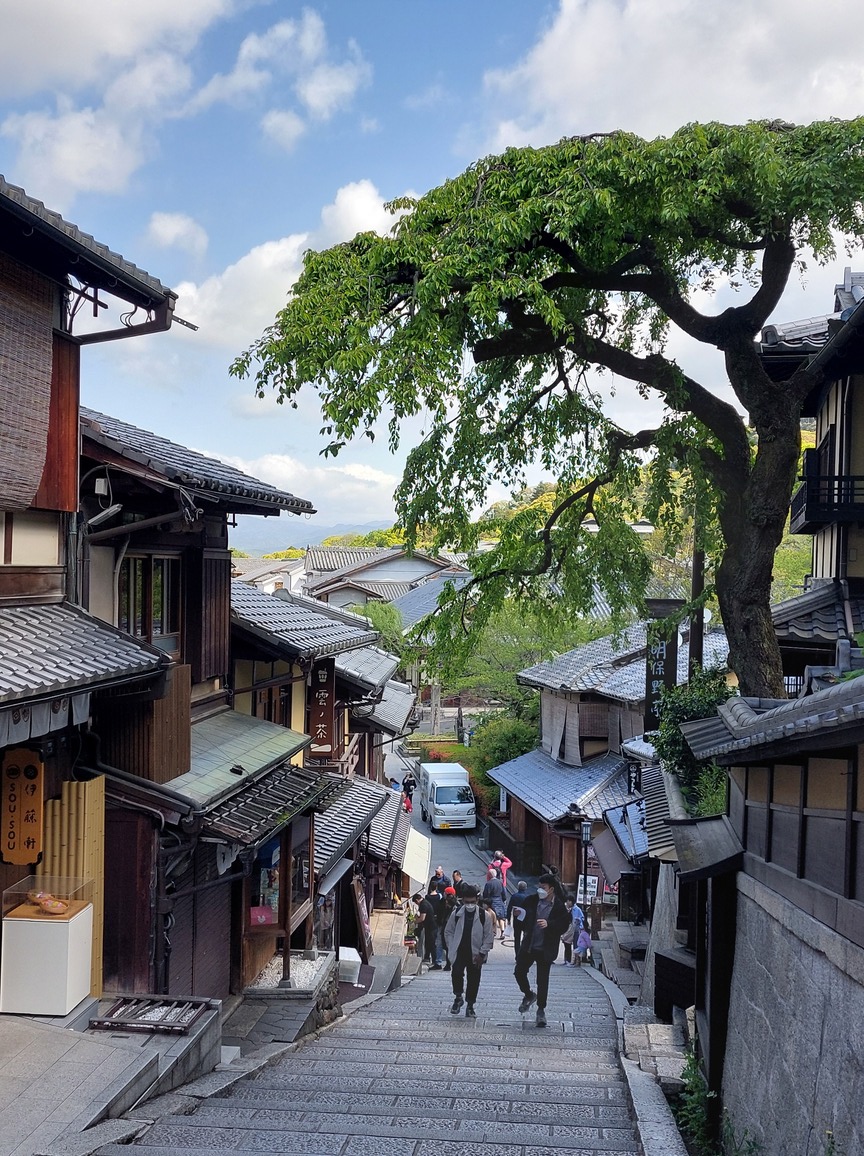
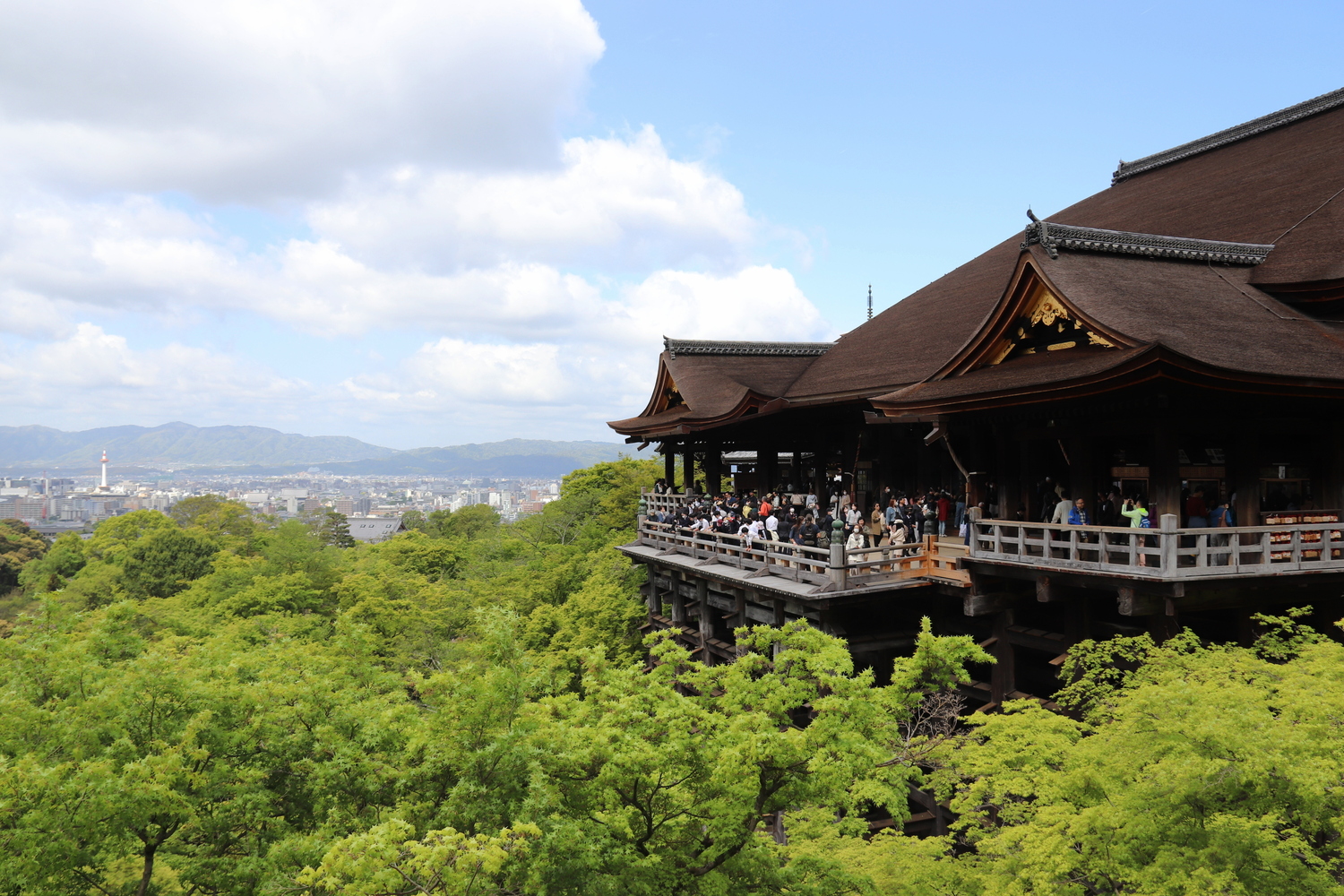
I started my time in Kyoto by exploring the old part of the city called Gion – „geisha town“. I did not see any geishas myself, my guess is that they’ve had enough of all the tourists. The little streets are still pretty to walk through and there are some very impressive temples to visit in Gion and North of it. I also walked around the Philosopher’s path (although I didn’t find it that special) and kind of randomly visited whichever temple appealed to me from the outside. In the end, I think they are all impressive and it doesn’t really matter which ones you choose to visit. I was stressing out about having to see as many as possible, but once you have seen 4-5, it gets kind of repetitive and I guess that’s enough to get a good impression.
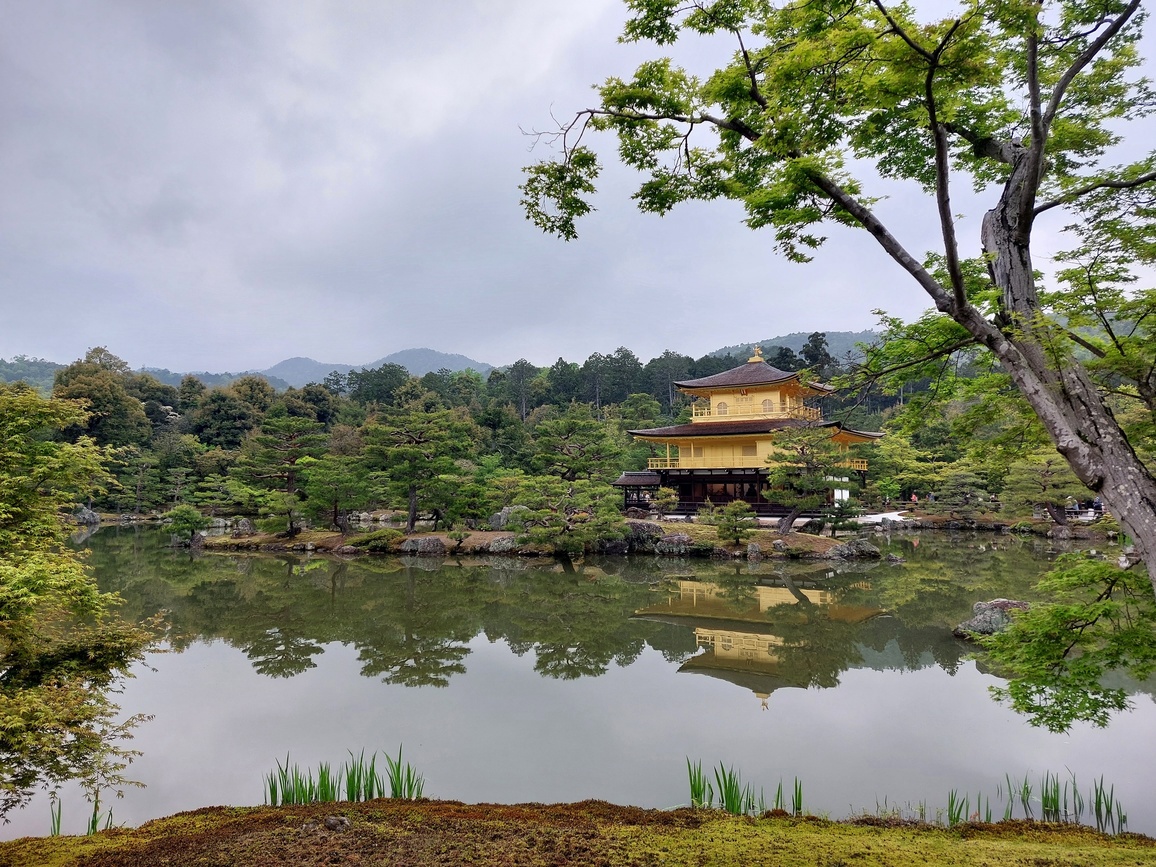
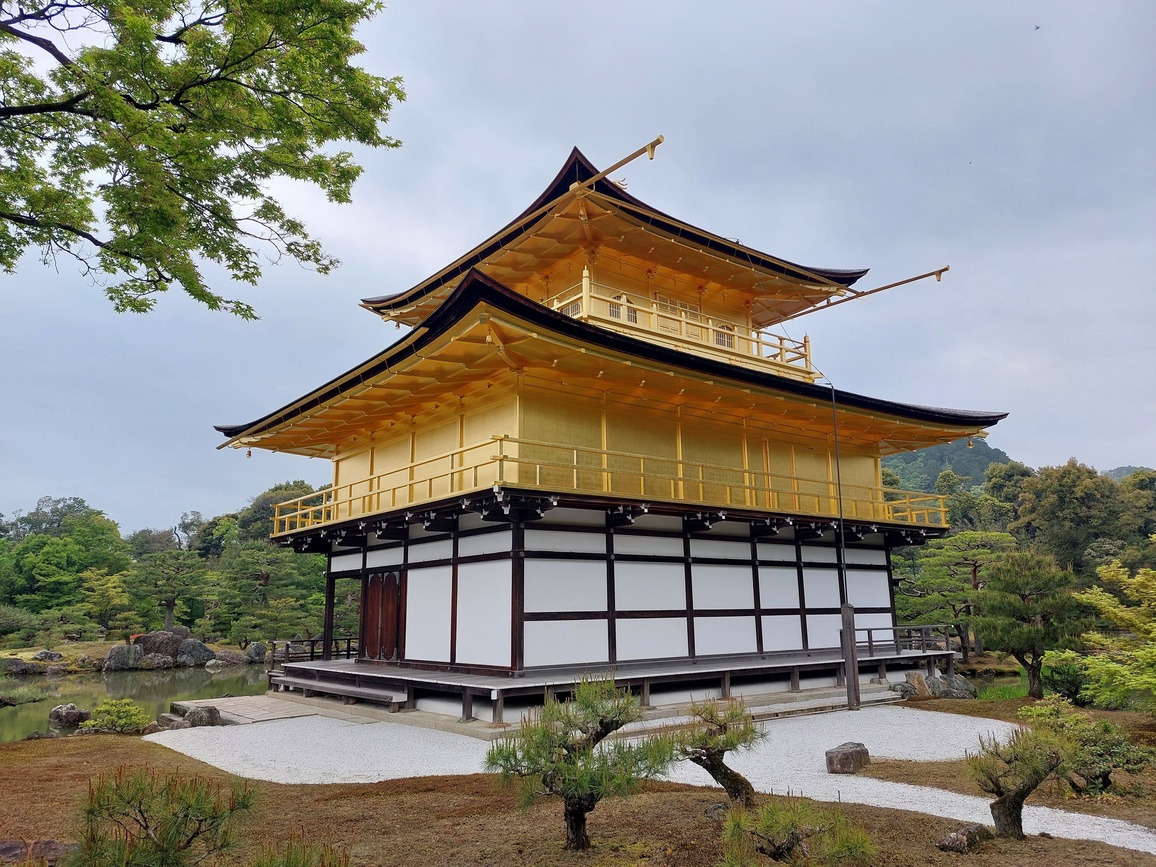
A more special temple is certainly the „Golden Temple“, which is located a bit outside the city center and can be reached by bus. Once again, Google Maps was super helpful in planning my journey on public transport through Kyoto! Even though it was a grey day, the gold was still very shiny and beautiful.
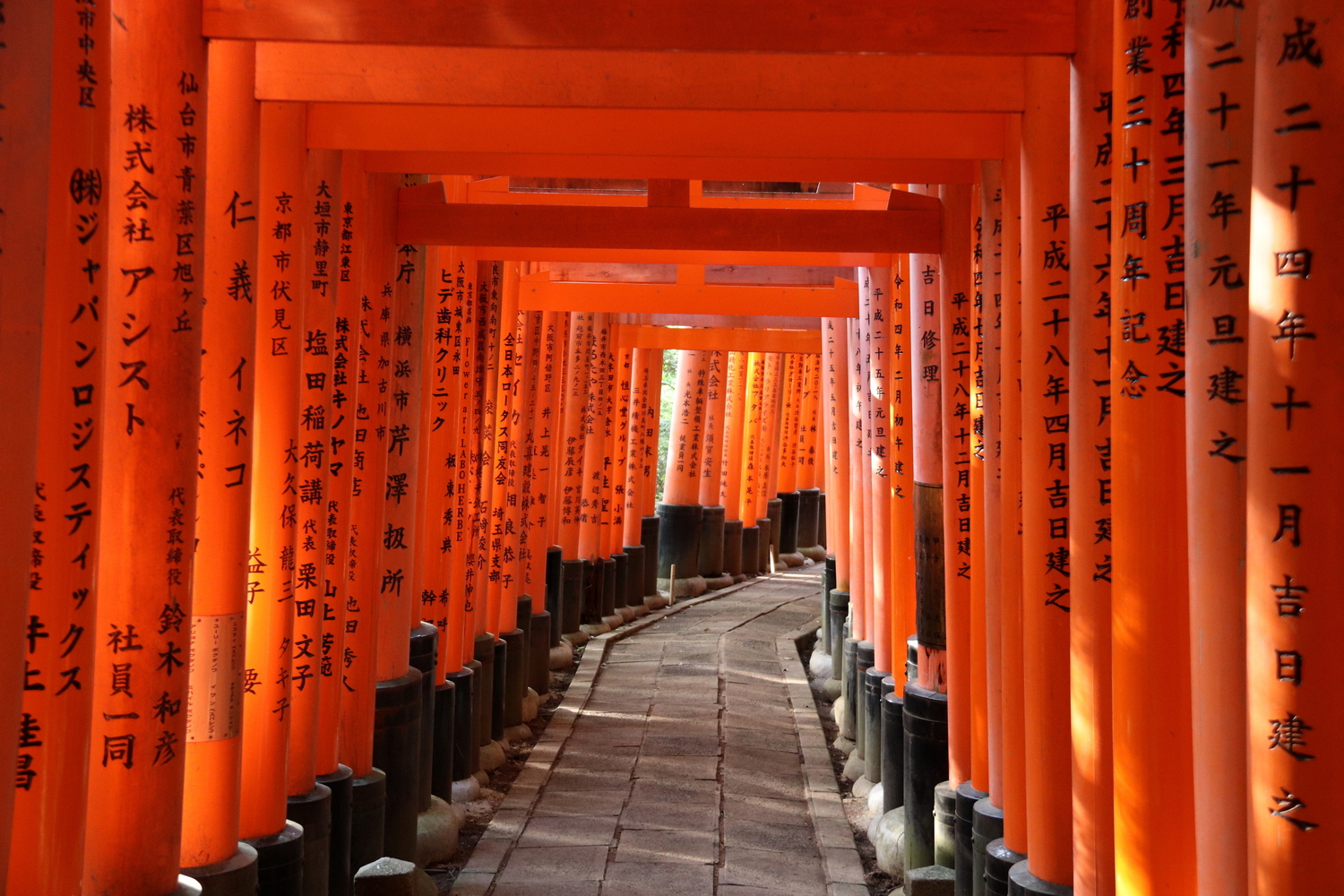
One of the main images that comes up when you google Kyoto, are the red torii gates of the Fushimi Inari Shrine. A very worthwhile visit! While it is crazy touristy at the bottom, there is a loop walk you can do that takes you to the top of the mountain and then down again, and the further you progress, the less tourists you will see. It gets really nice and peaceful at some point. This shrine was one of my highlights of my time in Japan, so don’t miss out and definitely do the whole „hike“ – it is easy just following stairs.
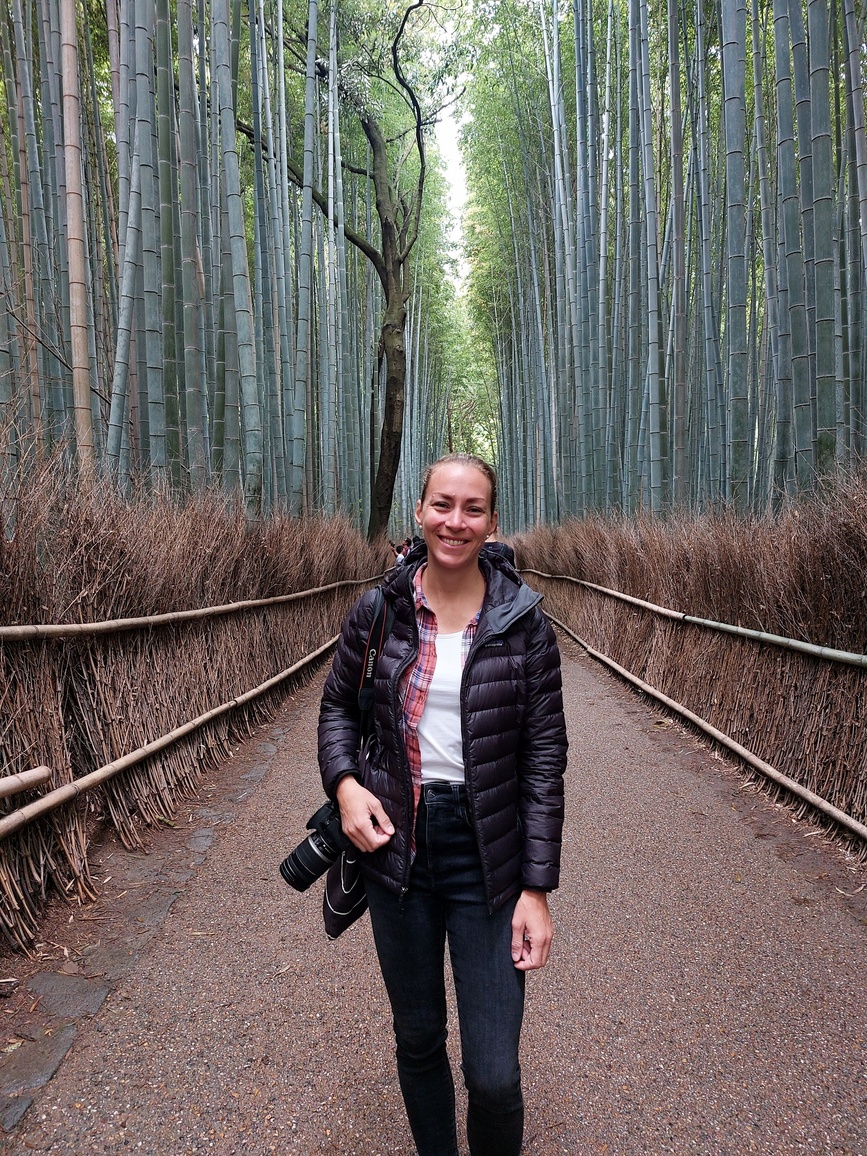
Another one of those „Insta-famous“ spots in Kyoto is the Arashiyama Bamboo Forest and I have a very different opinion about that one. Skip it. If you have ever seen bamboo in your life, or if you are planning to visit Koya-san or hike Tsumago-Magome, you will see wild bamboo there that is just as impressive. The „forest“ in Kyoto isn’t much more than a few hundred meters of a narrow paved walkway with bamboo growing on each side…and hundreds of tourists, all trying to take the perfect selfie. I got here early around 7am, but even so, it was already getting busy. When I returned a bit later to have another look around 9am, you could barely see the path anymore and had to push through the crowds. Not my kind of place…
I stayed in Kyoto for a while and also went out climbing for two days with a French guy I met on a Facebook group for climbing in Japan. We had lots of fun climbing random routes as we had no topo, but also struggled with the Japanese highway system that isn’t set up for tourists. Unfortunately, I didn’t take any photos!
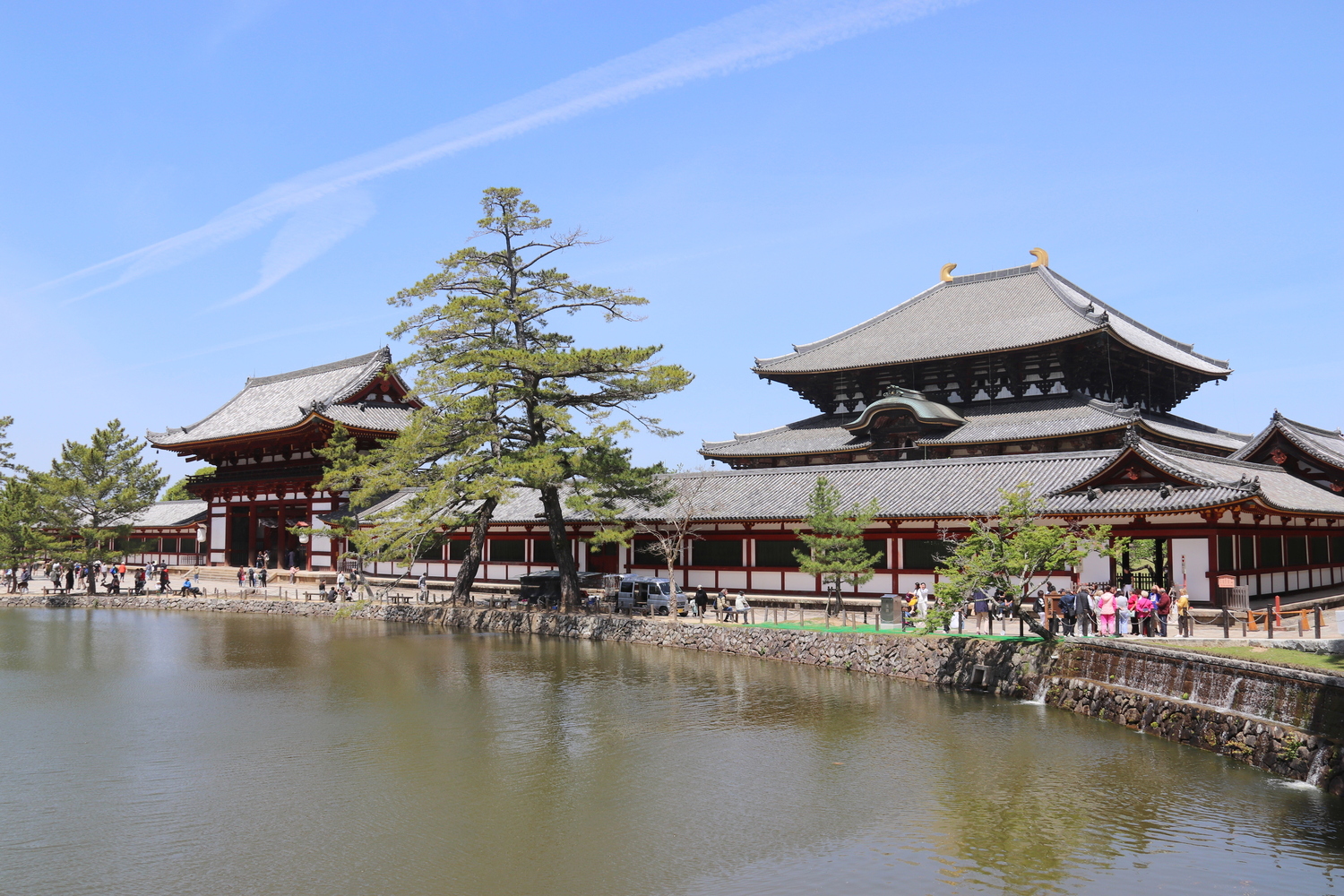
On my last day, I went on a day trip to Nara. Nara was a bit unlucky… as it didn’t have much of a chance for me to like it. Firstly, I went there on a Sunday, so it was even busier than it probably would have been during the week. Lots of Japanese tourists! Secondly, I was kind of „templed-out“ after my time in Kyoto, even though Nara certainly has some beautiful temples to offer.
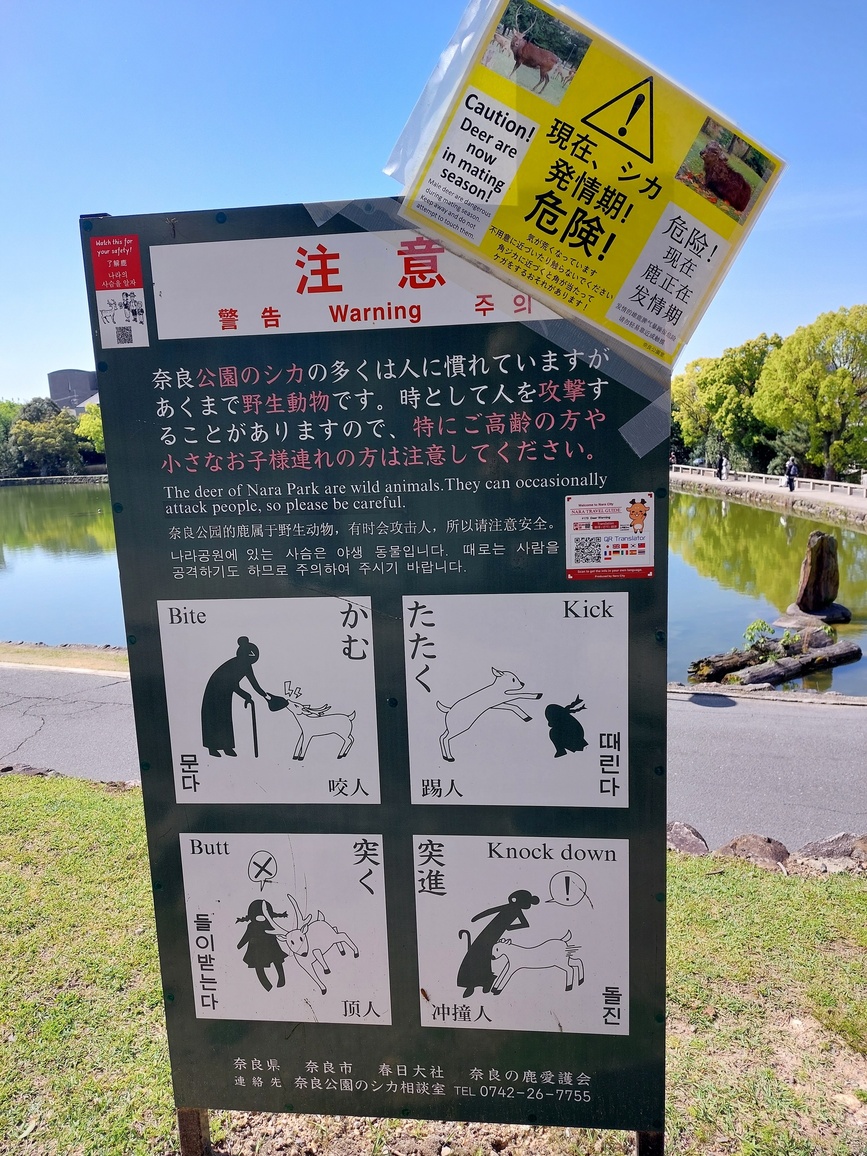
One of the main reasons to visit Nara though, are the tame deer, that (over)populate the city. I’m a bit ambivalent about them to be honest. Sure, they are cute, but they are being fed and can get quite pushy/aggressive if you don’t feed them the cookies fast enough, that you can buy at every corner. Not sure if this really contributes to a balanced eco-system… Also, I already saw some (kind of tame) deer on Miyajima Island near Hiroshima, and somehow I liked them better there, as there wasn’t so much of a push to feed them and there were less of them crowding the streets. Also, there is the nature of the surrounding mountain area there, so I’m hoping that they are at least living a half-way natural life still there and can escape the tourists. Overall, I don’t think Nara is a necessary stop to make in Japan.















 Just Booked A Trip